The case, explained
United Sections of the Supreme Court of Cassation: Atypical evidence in disciplinary proceedings
7 min read · Updated November 2026 · Editorial oversight: Avv. Federico Papa
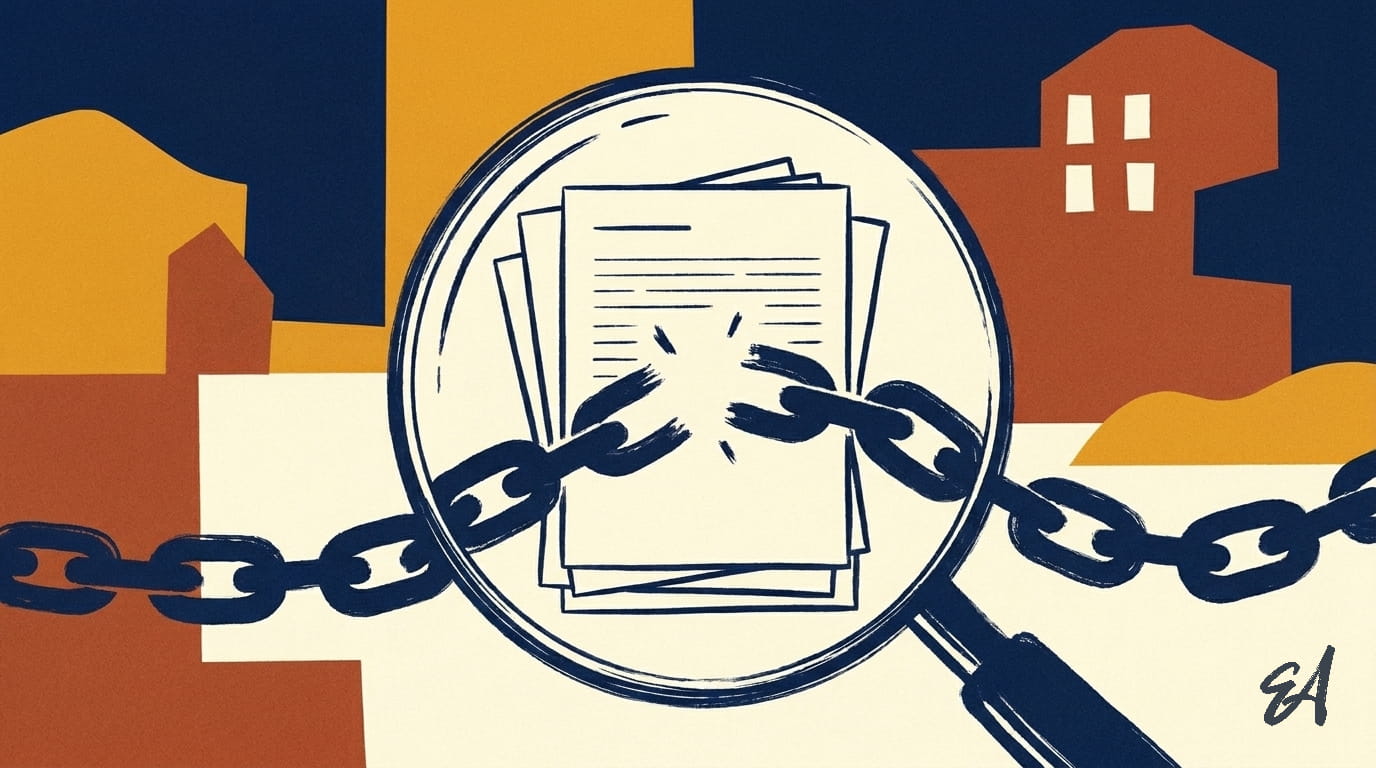
On October 24, 2024, the United Sections of the Supreme Court of Cassation established a fundamental principle for regulated professions: the full admissibility of criminal investigative records, even when originating from an archived proceeding, within disciplinary trials. As reported in the specialized press, the ruling stems from a suspension imposed on a lawyer based on wiretaps and statements gathered during preliminary investigations that did not lead to prosecution. The decision resolves a long-standing debate concerning the nature of so-called atypical evidence and its impact on privacy and professional decorum. In this article, we examine how criminal files can migrate into disciplinary proceedings through a twin case featuring our column's characters, highlighting the distinction between establishing a criminal offense and evaluating ethical conduct.

In brief
The article analyzes the ruling of the United Sections of the Supreme Court of Cassation on the admissibility of wiretaps and acts from archived criminal proceedings as atypical evidence in forensic disciplinary trials. It examines the principle of autonomy between criminal and disciplinary action, the right to cross-examination regarding the reliability of the acquired material, and the consequences for professionals regarding ethical sanctions.
The facts
The case stems from an appeal filed by a lawyer against the decision of the National Bar Council, which had confirmed a two-year suspension from the practice of law. The disciplinary proceeding arose from a criminal investigation into conduct deemed contrary to the duties of probity and decorum, despite the underlying criminal proceeding having been archived by the Judge for Preliminary Investigations.
The core of the procedural debate, which reached the Supreme Court, concerned the admissibility in disciplinary proceedings of summary witness statements and, above all, telephone and environmental wiretaps ordered by the Public Prosecutor during preliminary investigations. The defense argued that, once the criminal case was archived, those records could no longer have any effect, given the statutory restrictions on using wiretaps in separate proceedings.
The rules at play
The regulatory framework relies on Law No. 247/2012, specifically Art. 51, which establishes the autonomy of disciplinary proceedings from criminal ones, allowing the disciplinary judge to proceed even without a conviction. Art. 270 of the Code of Criminal Procedure regulates the limits of wiretap admissibility in separate proceedings, a rule protecting communication confidentiality that the defense invoked as an impassable barrier.
Finally, Art. 116 of the Code of Civil Procedure comes into play, establishing the principle of the judge's free evaluation of evidence: this provision allows the court to evaluate evidence not specifically categorized by the code (so-called atypical evidence), provided it is suitable for shedding light on disputed facts. The consequence of a verified violation of the duties of dignity and independence is suspension, which temporarily debars the lawyer from all professional and organizational activities.
What the case law says
The case law of the Supreme Court has clarified that disciplinary proceedings are not a continuation of criminal ones, but a separate procedure with distinct aims intended to protect the public interest in the proper exercise of the profession. Established precedents state that the principle of freedom of proof applies, allowing investigative records to be admitted as evidence even if the criminal trial did not reach the hearing stage.
In this recent ruling, the United Sections specified that wiretap results, if lawfully obtained, retain a historical function of factual representation that the disciplinary judge may evaluate independently. The impassable limit is not the criminal archiving, but rather respect for cross-examination: the accused must be given the opportunity to challenge the reliability and content of the documents acquired during earlier stages, thereby guaranteeing the right to defense even in the presence of so-called lato sensu extrajudicial evidence.
- Try edit.legal AI
Analysis drafted and verified with edit.legal
To verify the provisions cited in this article, we used edit.legal. Test our legal AI on official sources and apply it to your own matters.
What it teaches professionals
- Constantly monitor ethical compliance, as the absence of criminal liability does not grant disciplinary immunity.
- Exercise the right of full access to records transmitted by the Prosecutor's Office to the Bar Council to verify the regularity of the original wiretaps.
- Build a defense focused on challenging the interpretation of atypical evidence, preventing the disciplinary body from accepting it uncritically without independent evaluation.
- Remember that the ne bis in idem principle does not apply between criminal and disciplinary sanctions when the protected legal interests differ.
References: Legge n. 247/2012Art. 51 Legge n. 247/2012Art. 270 Codice di Procedura PenaleArt. 116 Codice di Procedura CivileCassazione Sezioni Unite n. 28096/2024
Related cases

Frequently asked questions
Can one be punished by the Professional Order even if the criminal trial is archived?
Yes, due to the autonomy of disciplinary proceedings. A fact may not constitute a crime but can still represent a violation of the professional duties of probity, dignity, and decorum.
Can telephone wiretaps always be used against a lawyer?
They can be used if lawfully authorized by a magistrate in criminal proceedings, serving as atypical evidence that the disciplinary judge may evaluate while respecting cross-examination.
What are the risks for a professional involved in criminal investigations that are subsequently closed?
The main risk is the initiation of a disciplinary inquiry based on records from the criminal file (summary witness statements, wiretaps), which can result in sanctions such as a warning, censure, or suspension.
Verified legal research and drafting with edit.legal
Legal research and drafting with citations checked against official databases. edit.legal is free to try, no credit card.
Try edit.legal for free